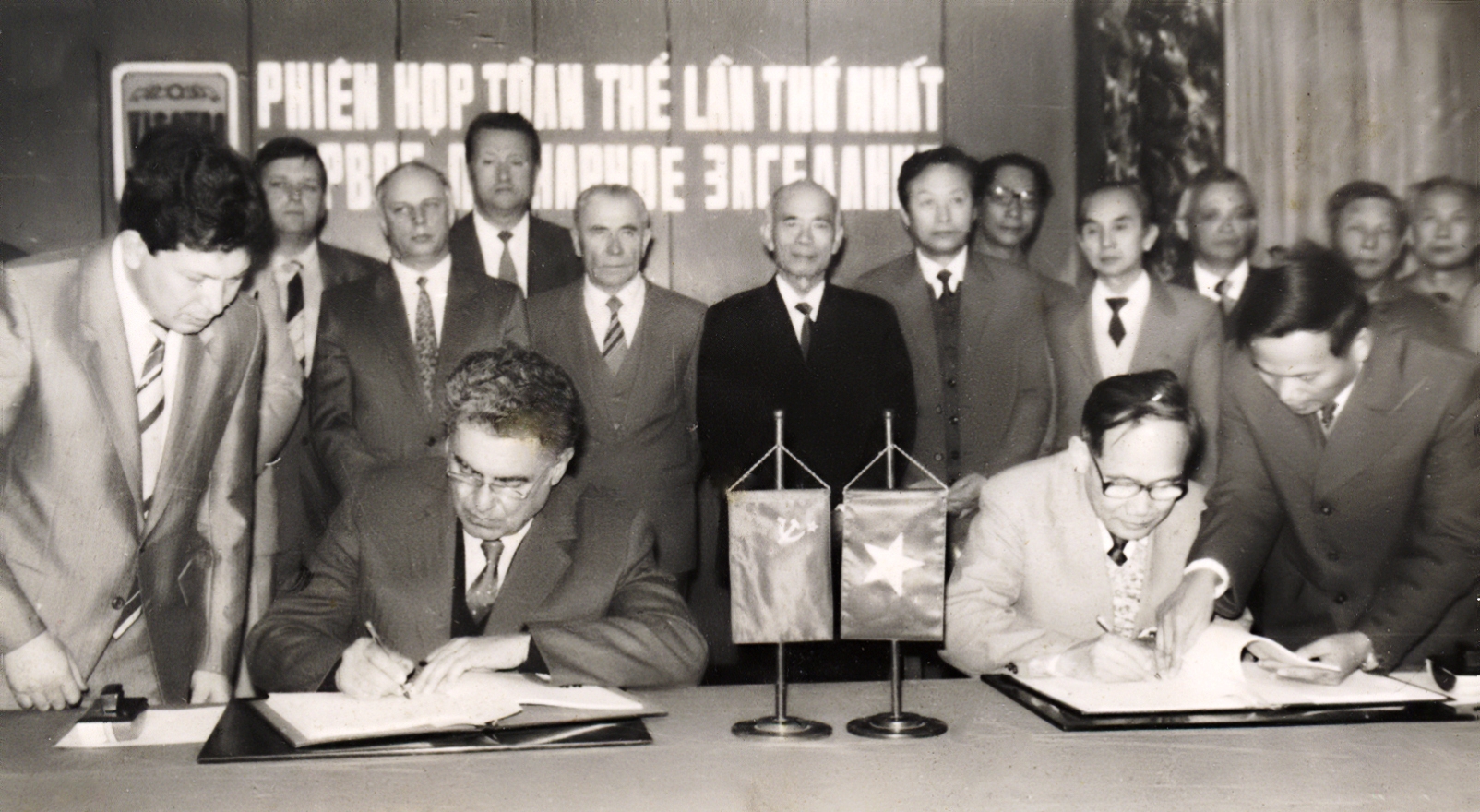
Completion of the Comprehensive Marine Expedition Aboard Research Vessel 889 "Professor Gagarinsky"
21/07/2026After 38 days of continuous work at sea, the multidisciplinary scientific expedition aboard research vessel 889 "Professor Gagarinsky" has fully completed its planned research programme, with the vessel arriving safely at the port of the 6th Naval Brigade, Vietnam People's Navy (Hai Phong). This is the first expedition conducted under the Long-Term Cooperation Programme for Marine Research between the Joint Vietnam - Russia Tropical Science and Technology Research Center (hereafter - the Tropical Center) and the research institutes of the Russian Academy of Sciences (RAS), establishing a baseline dataset for further research into the ecology, resources, environment, and biodiversity of Vietnam's marine waters.
Scope and Coverage of the Comprehensive Expedition
Unlike previous thematic expeditions, this is the first large-scale multidisciplinary expedition conducted under the new cooperation programme, covering the extensive marine waters of Vietnam. Over 38 days of continuous work at sea, the expedition team carried out research operations from the marine waters off Hai Phong along the coastal strip and continental shelf of Vietnam to the area of Hon Khoai Island (Ca Mau Province), encompassing a wide range of characteristic marine zones from northern, central, and southern Vietnam.
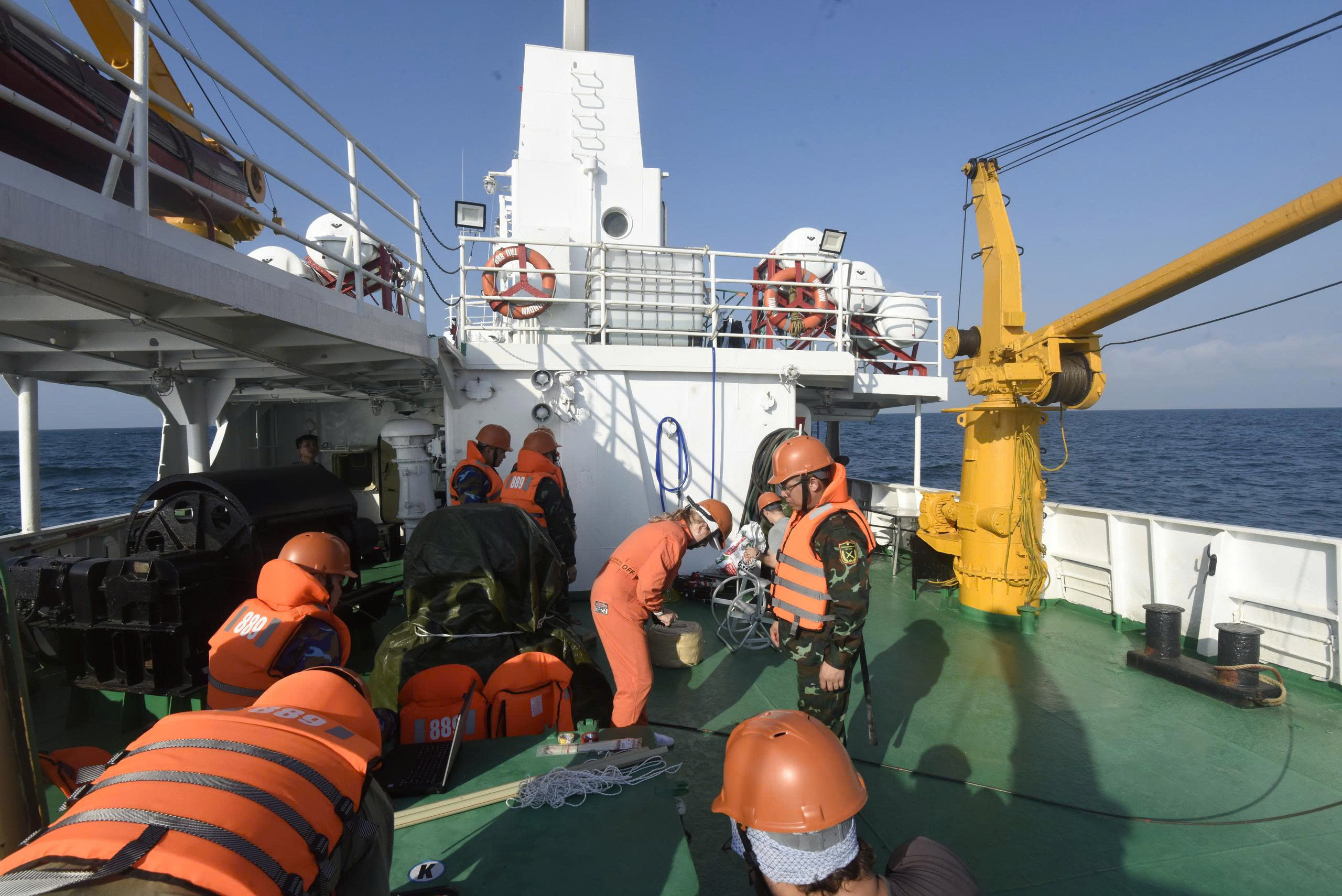 Preparation of equipment for measuring oceanographic parameters and collecting environmental samples.
Thanks to thorough professional and logistical preparation, the research team completed work at 26 research stations, including 18 comprehensive research stations, two oceanographic transects, two 24-hour continuous monitoring stations, as well as calibration and data verification stations.
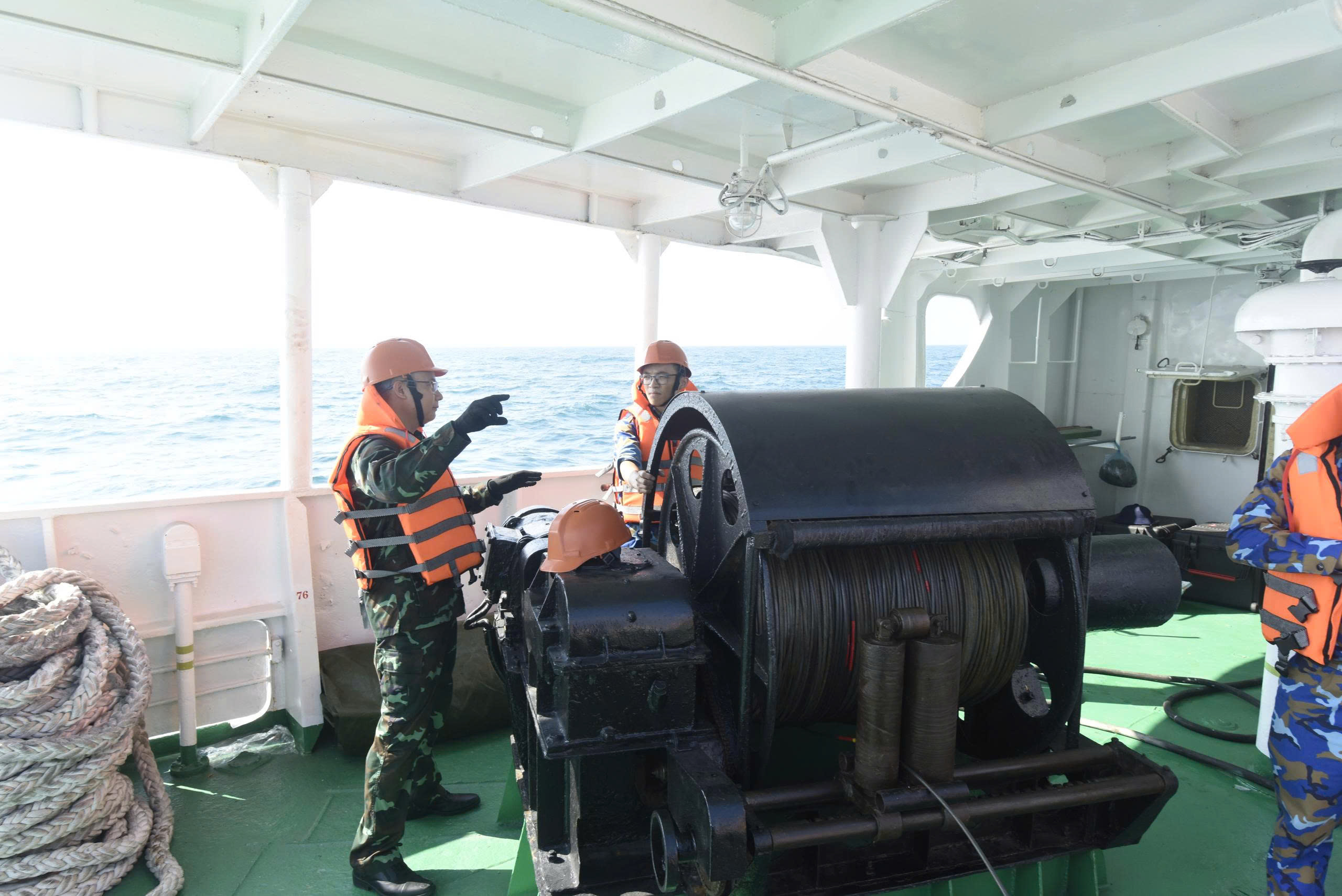 Coordination of operations with the multiparameter CTD system.
During the expedition, specialists conducted 82 CTD profiles using the multiparameter CTD probe, while simultaneously collecting water, sediment, and marine organism samples. The successful operation of two continuous monitoring stations - with measurements taken at one-hour intervals - yielded a dataset on the diurnal variability of hydrological, hydrochemical, optical, and biological parameters in representative coastal waters of Vietnam.
Key Scientific Results
A large volume of samples and field data was collected during the expedition across a range of scientific disciplines. Specialist teams from the Tropical Center and their Russian partners - including the V.I. Il'ichev Pacific Oceanological Institute, the A.O. Kovalevsky Institute of Marine Biological Research, and the A.N. Severtsov Institute of Ecology and Evolution - jointly and synchronously carried out research tasks in accordance with a unified system of procedures and technical standards.
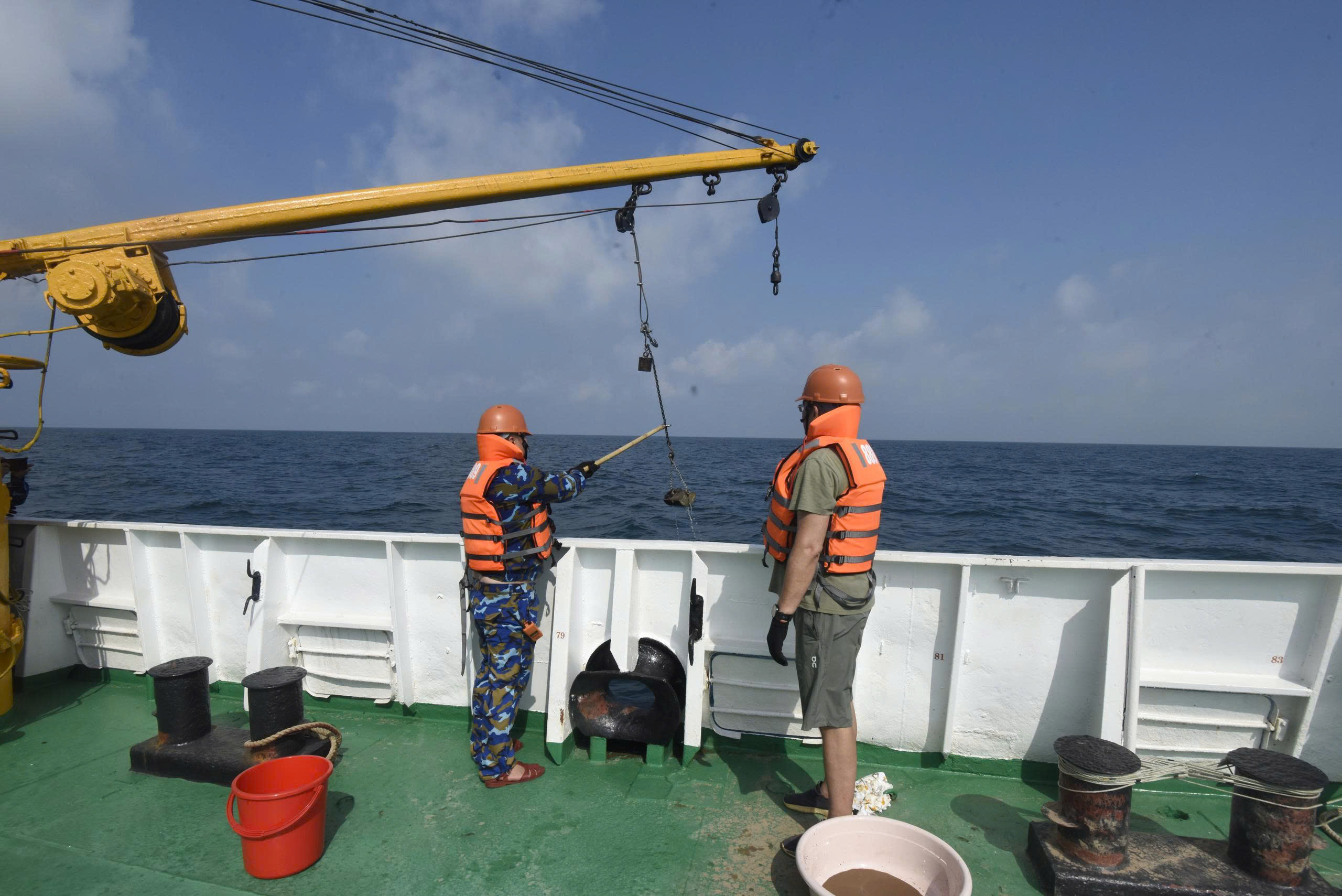 Collection of bottom sediment samples using a grab sampler.
In the field of oceanography and marine optics, the multiparameter CTD system was used for continuous measurement of parameters including temperature, salinity (via electrical conductivity), dissolved oxygen, turbidity, chlorophyll-a, coloured dissolved organic matter (CDOM), and photosynthetically active radiation (PAR). This dataset provides an important foundation for the study of water mass structure, the calibration of marine remote sensing products, and the development of oceanographic and marine ecological models for Vietnam's waters.
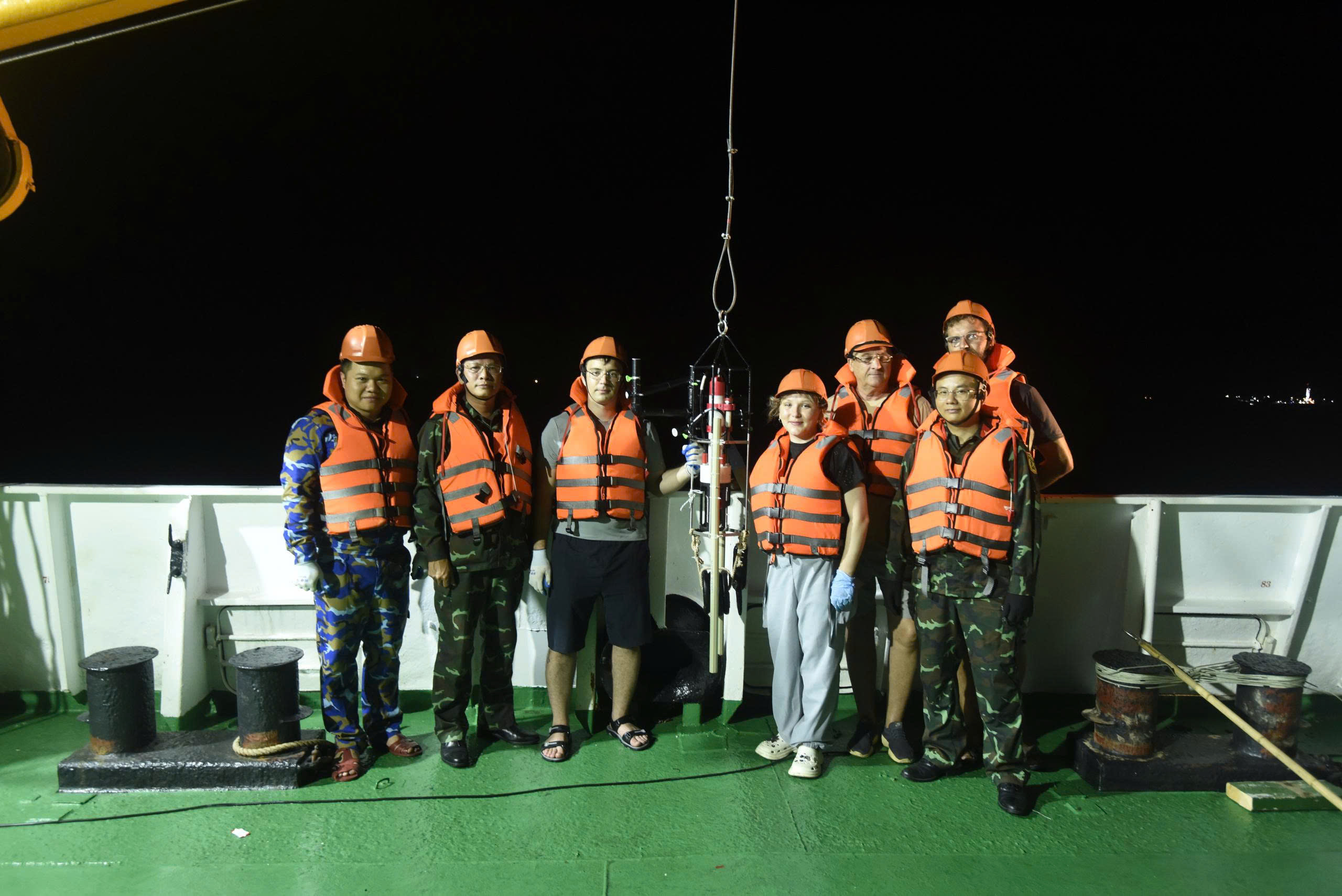 The research team during a night shift.
In the field of marine biology, the expedition team collected hundreds of samples of phytoplankton, zooplankton, ichthyoplankton, benthos, and marine microorganisms from various water layers. Data on the distribution of chlorophyll-a, combined with data on planktonic communities, will enable assessment of the trophic status of the marine ecosystem, primary biological productivity, and the potential of marine resources.
With regard to the marine environment, water and sediment samples were collected for analysis of grain-size composition, organic matter, heavy metals, trace elements, and ecologically significant radioactive isotope indicators, including Cs-137. The results of these analyses will contribute to the understanding of material transport and sedimentation processes, as well as the assessment of the impact of natural factors and anthropogenic activities on Vietnam's marine environment.
The Critical Role of Specialists and International Cooperation
The success of the expedition reaffirmed the key role of the Tropical Center's scientific staff in organising and conducting large-scale marine research programmes. Already at the preparation stage, Center specialists led the joint work with Russian partners on developing the research plan, designing the station network, and agreeing on research methods and sampling procedures. During field operations, Center staff were directly involved in operating state-of-the-art research equipment, pre-processing samples on board the vessel, and comprehensively managing the field database, thereby ensuring the quality and consistency of all collected materials.
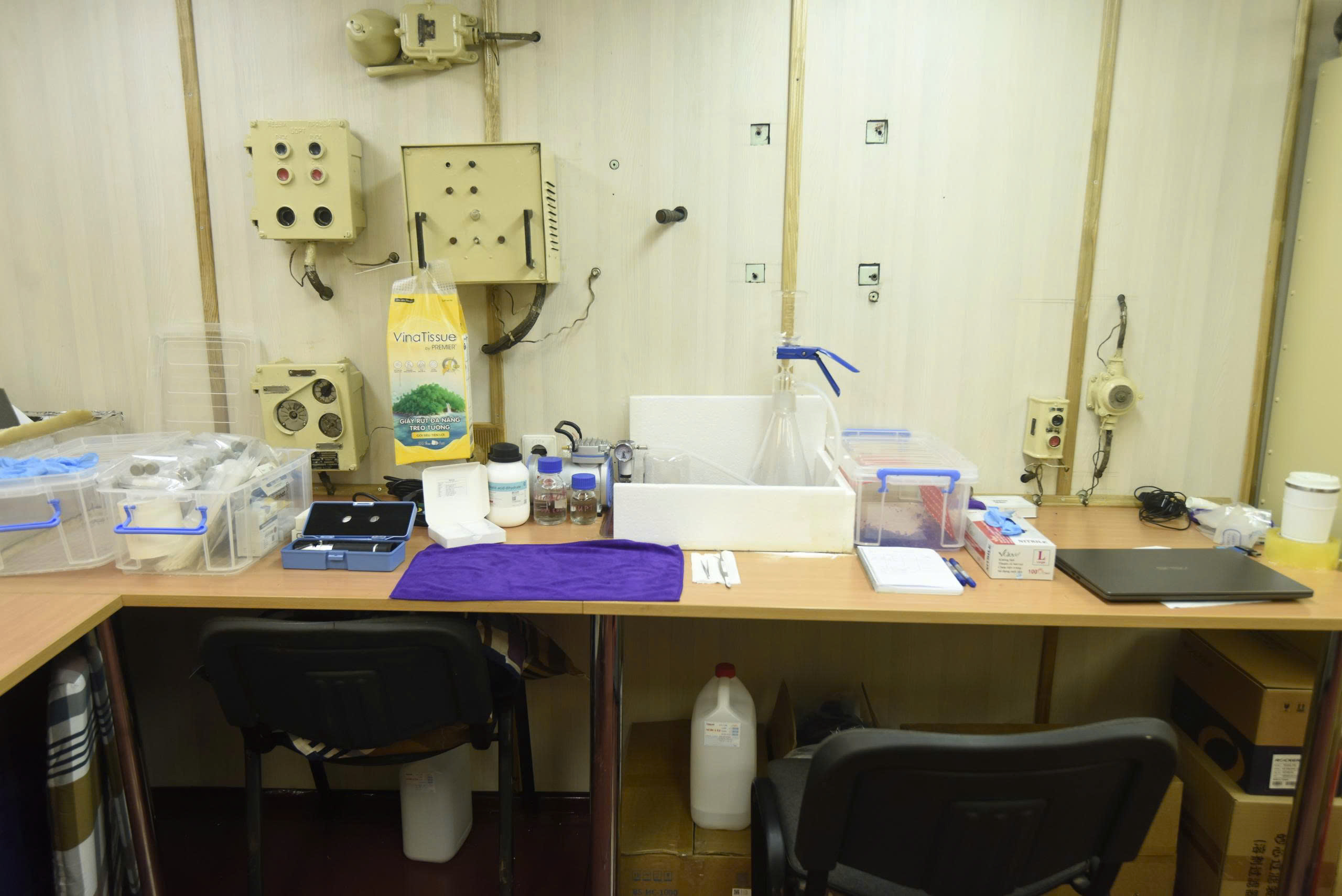 A view of the laboratory aboard the research vessel.
The results obtained also confirm the effectiveness of the coordination mechanism between the Vietnam People's Navy (VPN) and the Tropical Center in implementing marine research objectives, with the Institute of Tropical Ecology and the 6th Naval Brigade serving as the two units directly coordinating the organisation, direction, and conduct of the expedition. Through their high sense of responsibility, coordinated teamwork, and extensive practical experience, the crew of vessel 889 ensured the safety of voyages along the Hai Phong - Hon Khoai - Hai Phong route, accurately positioning the vessel at each research station under varying meteorological and oceanographic conditions. Technical systems, communications, navigation, power supply, and logistical support functioned without interruption throughout the voyage. This created favourable conditions for the research teams to fully accomplish all their specialist tasks and to synchronously collect samples and field data in strict accordance with the plan.
Foundation for a Long-Term Marine Research Programme
The 2026 expedition fully achieved all of its stated objectives, yielding a multidisciplinary database and sample collection of high scientific value. These materials will serve as a fundamental basis for the study of oceanographic processes, environmental conditions, resources, and marine biodiversity. They will also provide a foundation for the calibration of remote sensing products, the development of regional algorithms, and the construction of predictive models in support of the management, sustainable use, and protection of the marine environment.
The successful completion of the first expedition aboard research vessel 889 "Professor Gagarinsky" not only confirms the high level of coordination between the Tropical Center, the Vietnam People's Navy, and scientific partners from the Russian Federation, but also establishes an important scientific and technical foundation for the development of a long-term marine research programme using research vessel 889 "Professor Gagarinsky" in Vietnam's waters.
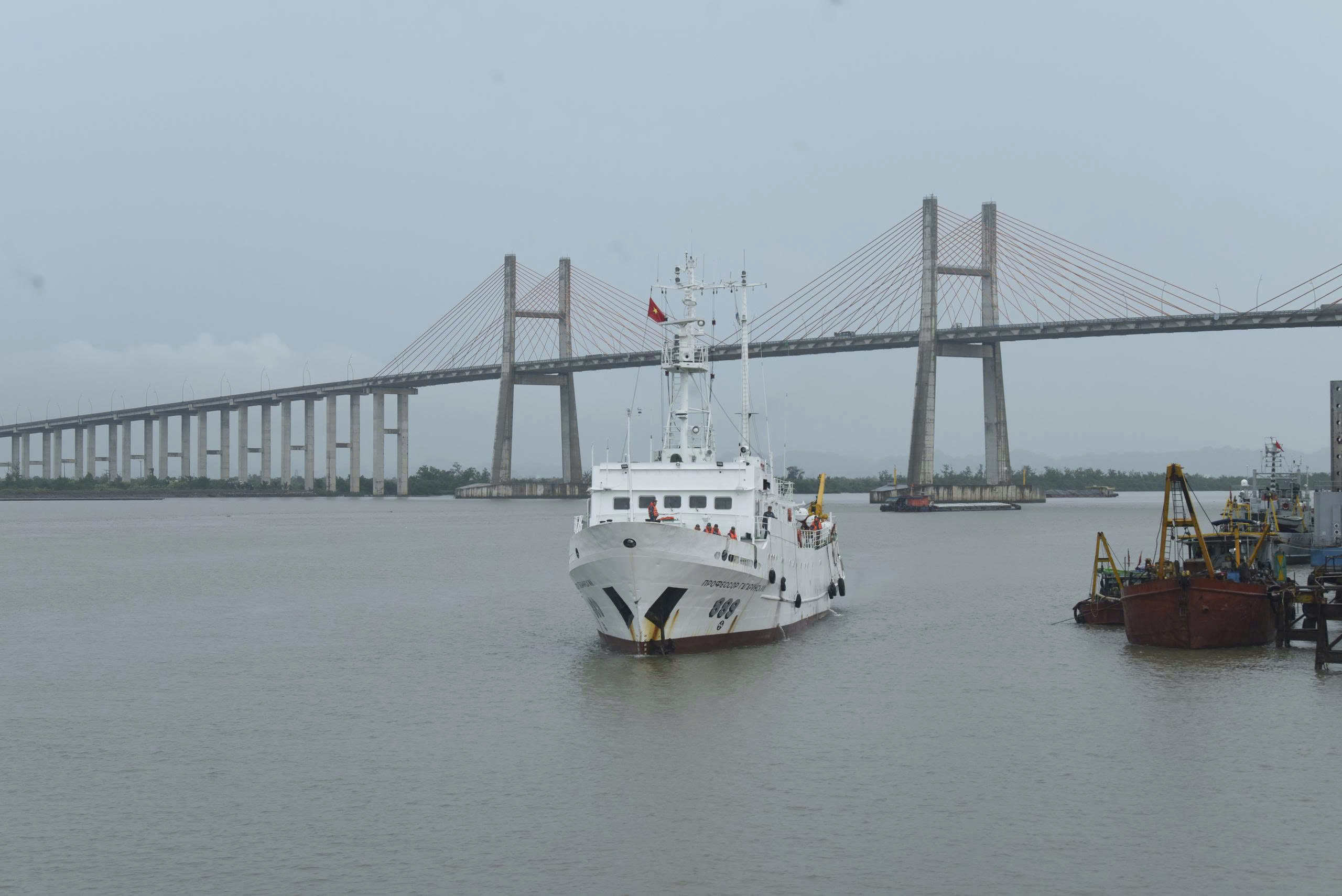 The vessel prepares to berth, concluding the expedition after 38 continuous days in the East Sea.
In the period 2027 - 2029, research expeditions will be extended to cover distant offshore waters, the southern continental shelf, and the south-western waters of our country. This phase is aimed at building a comprehensive, synchronised, and continuous multidisciplinary database for scientific research, resource management, environmental protection, biodiversity conservation, and sustainable blue economy development, while contributing to the reliable defence of national sovereignty over Vietnam's seas and islands.
Prepared by: Nguyen Dang Hoi, Institute of Tropical Ecology
OTHER POSTS

S&T activities